

The Brand as Idea
A little about how I think of the world of communications and marketing

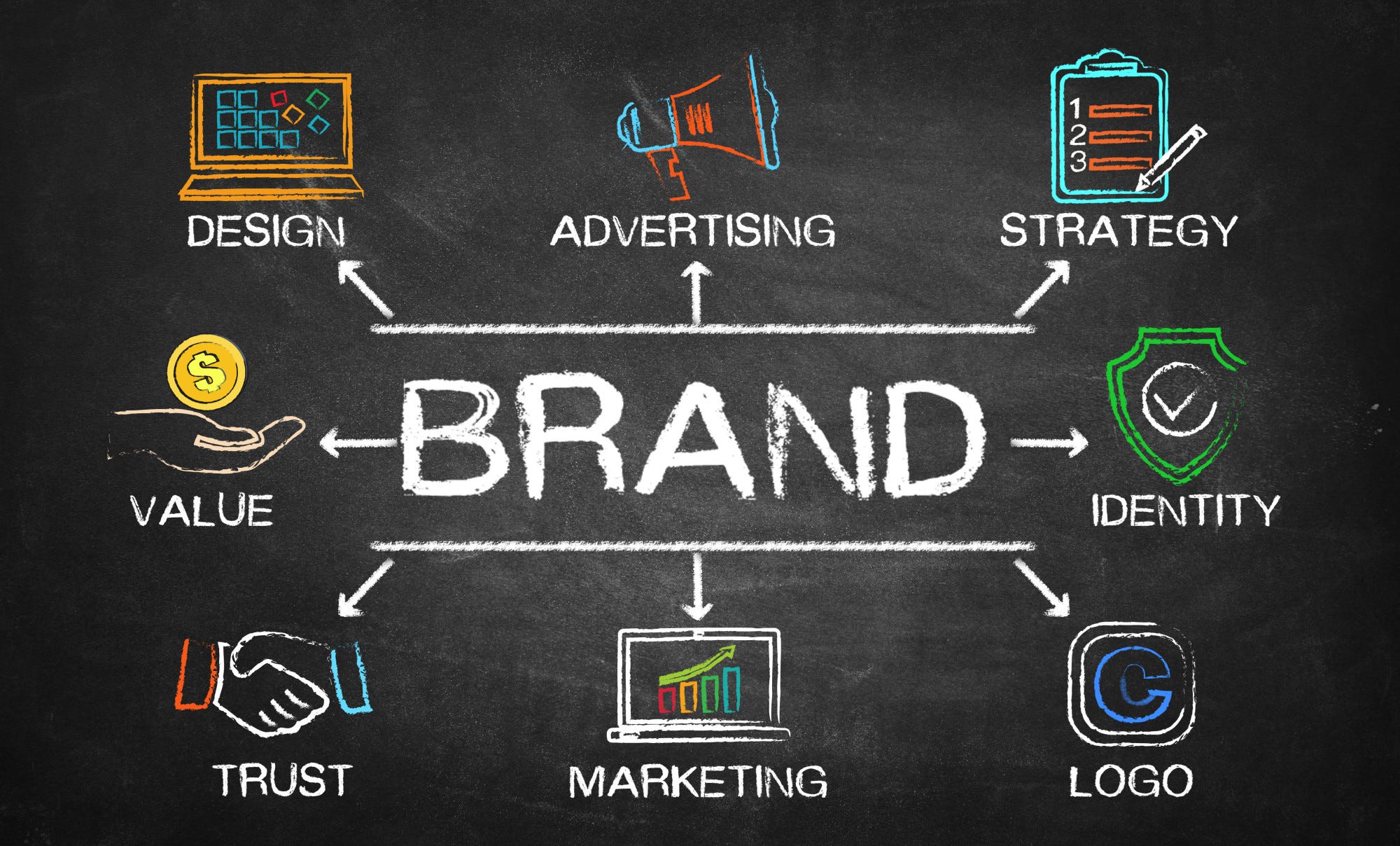
The notion that ideas need to be marketed is something I grasped intuitively early in my career. Later on, I came to appreciate that all brands are ideas, whether corporate, nonprofit, or personality-based. The best brands understand that. These concepts have been fundamental to my thinking about audience engagement.
I have been and remain interested in how you get people to adopt the idea that a brand is putting out into the world, to embrace them, and ultimately how to change culture with them. Making something interesting, and reaching people at a meaningful level - maybe even a subconscious level- is fascinating to me. The same principles apply if you are selling soap or working on convincing people to wear seat belts. It's all derivative of a larger rationale about building identification with an idea.
When you appreciate that brands are ideas, it becomes clear that the lines between public relations, public affairs, communications, and marketing are tactical. Strategically they all should blur into a focus on impact. What is the impact the brand wants to have in the world? How do you talk about it? Who does the brand need to reach with that message? What do they need them to do? How will the engagement be measured?
Creating Impact
Many organizations fail to create impact because they confuse tactics for strategy. In other words, they confuse the how for the why. If you don't know the answer to the why, you can't get at the what, and if you don't know the what, you certainly can't get the how. This is also why many products don't sell, because the why isn't clear to the consumer or the user.
The answer to why forms when there is alignment around values. Anything worth doing starts with values, and those can only be determined through vision. That vision often comes from one person, possibly two or three. Beyond three people the foundation for any alignment around values becomes unstable. Even with one to three people, as the organization grows that alignment is tested by the ability of the original visionaries to communicate it to stakeholders. That test often determines early success or failure.
Two common groups of stakeholders are employees and funders. Employees are a challenge because those who are brought on are either co-visionaries or they are implementers. Companies bring on co-visionaries because they need senior people who can operate independently. However, these people rightly see themselves as having some input into the vision and may strain it. Alternatively, if the organization brings on implementers, then the potential for straining the vision depends on the founders’ ability to communicate it effectively to those employees.
The need for funding either from investors or donors can also strain the vision because those stakeholders often want the vision to reflect their ideas. Inevitably, some compromises will be made. If the vision remains mostly intact, then the next hurdle is if they can effectively communicate the vision to the consumer or the client through the value they provide.
The marketing must reflect that value. Good marketing depends on an appreciation that what is being sold isn't a thing but what the product represents and what its product will say about the consumer or client. This is a core element of communications in an era of authenticity.
Many brands try to shortchange this thoughtful message development and inner work by using the kinds of analytics that support advertising. It's certainly possible to use data to gain an understanding of how to influence people. However, if relied on exclusively for messaging, it diminishes the authenticity of the product.
I'll use a sports analogy to explain. There is no decision in sports today that can't look to analytics for guidance. However, this diminishes the consumer's experience of the game. People want to believe in magic. They want to know that a pitcher who has just loaded the bases and is exhausted, can pull themselves up and get the last out of the inning without giving up a run. Maybe the data says they can't, but fans want to believe they can. When that experience is lost for the consumer, the appreciation of the game goes down. It essentially becomes a commodity.
If the brand lacks integrity it will show. Consumers may still buy the product but as a commodity based on price rather than a product based on value. Many products compete and thrive as commodities but the best brands are something more.